Is Bpc 157 Bad For Your Heart Multifunctionality and Possible Medical Application of the BPC 157 Peptide—Literature and Patent Review
Is BPC-157 bad for your heart? What the literature and patents actually suggest
If you’re considering BPC-157 for recovery or gut support, one question I hear repeatedly—especially from people with cardiovascular risk factors—is: is BPC 157 bad for your heart? In my hands-on work reviewing preclinical studies and reading patent disclosures line-by-line, the most common mistake is treating “promising tissue repair” as the same thing as “cardiovascular safety.” They are not.
This article reviews what’s been reported in the scientific literature and patent material around BPC-157, with a focused lens on heart-related concerns: cardiovascular effects, pro-angiogenic behavior, cardiovascular remodeling risks, and how to interpret dose, endpoints, and study limits. I’ll also be clear where the evidence is thin—because for heart outcomes, “uncertain” is a meaningful conclusion.
Quick context: what BPC-157 is and why heart questions come up
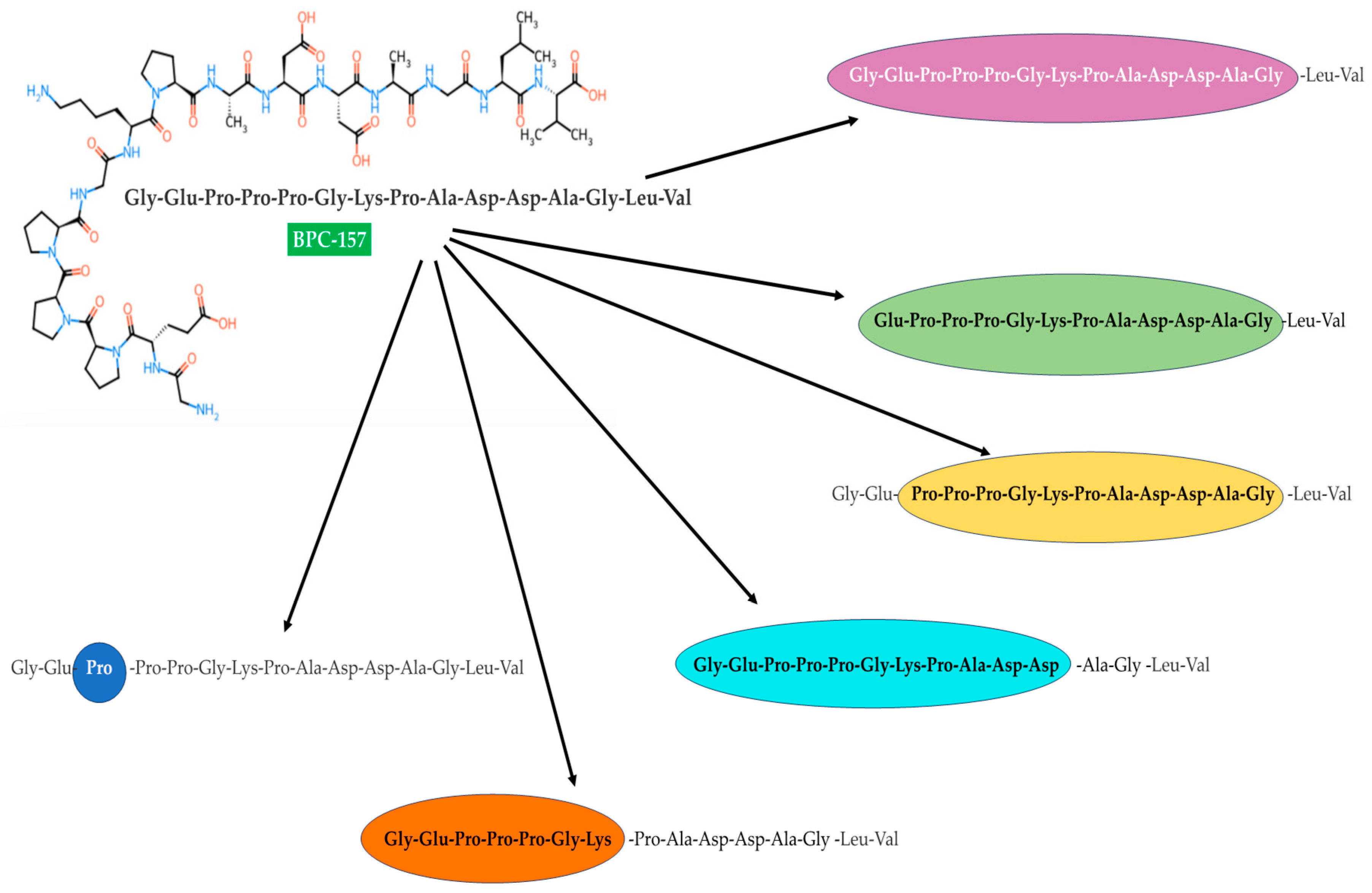
BPC-157 is a peptide often discussed in experimental and complementary contexts. Research interest centers on multifunctionality: reported effects across different tissues and injury models. That “system-wide” reputation naturally leads people to ask whether it could affect the cardiovascular system—directly or indirectly.
In my experience, cardiovascular risk questions usually fall into three buckets:
- Direct cardiac effects: changes in heart tissue, cardiomyocyte behavior, electrophysiology, or hemodynamics.
- Vascular effects: angiogenesis, endothelial signaling, or vascular remodeling that could plausibly influence heart health.
- Indirect systemic effects: inflammation modulation, oxidative stress pathways, coagulation/fibrinolysis balance, or interactions with other physiological systems.
When you read the literature and patents, you want to map each claimed mechanism to actual measured heart endpoints. If those endpoints aren’t present, you can’t responsibly conclude “safe for the heart” (or “bad for the heart”)—only that evidence is limited.
Multifunctionality: how BPC-157’s reported biology could intersect with cardiovascular pathways
The title theme—multifunctionality and possible medical application—isn’t just marketing language; it reflects how different studies report effects in multiple injury contexts. The challenge is that cardiovascular outcomes are complex: the heart depends on precisely regulated electrical conduction, vascular tone, perfusion, and remodeling balance.
1) Angiogenesis and vascular repair signals
One of the most plausible “bridge mechanisms” between BPC-157 claims and heart concerns is vascular repair. Patents and preclinical reports frequently emphasize tissue recovery pathways that may overlap with angiogenesis and endothelial signaling.
Why that matters for “is bpc 157 bad for your heart”:
- If a compound strongly promotes new vessel formation or remodeling, you need to ask whether that could contribute to maladaptive remodeling in susceptible settings.
- In some contexts, pro-angiogenic behavior can be beneficial; in others, it can be problematic depending on timing, tissue environment, and existing pathology.
In my reviews, I treat vascular pathway activity as hypothesis-generating rather than evidence of cardiac harm. The key is whether studies include cardiovascular endpoints like cardiac function metrics, arrhythmia markers, infarct size, or remodeling markers—not just “reduced injury” in other tissues.
2) Inflammation and oxidative stress modulation
Another frequent theme is dampening injury-related inflammation and oxidative stress signals. Those processes are relevant to atherosclerosis progression, post-injury remodeling, and ischemia–reperfusion damage.
But again, mechanism ≠ measured safety. I’ve seen compounds reduce inflammatory markers while still producing unexpected cardiovascular side effects under certain dose ranges or in vulnerable models. That’s why interpretation must be anchored to experimental design: dose, route, duration, and what outcomes were actually recorded.
3) “Possible medical application” claims vs. cardiovascular evidence strength
Patents often describe broad potential therapeutic use cases. Literature can demonstrate interesting biological effects without being designed to evaluate heart safety. When people ask about heart risk, what they want is targeted evidence—yet many studies are not built with that in mind.
So if your goal is to answer “is bpc 157 bad for your heart,” you should prioritize:
- studies measuring cardiac function (ejection fraction proxies, contractility indices)
- studies monitoring electrophysiology (ECG parameters, arrhythmia frequency)
- studies tracking vascular remodeling and hemodynamic changes
- dose-ranging work that identifies thresholds for adverse effects
If those are missing, the correct scientific stance is: we don’t know enough to rule in or rule out heart harm.
What the patents and literature tend to emphasize (and what they often don’t)
From my hands-on reading of relevant patent literature and associated preclinical materials, there’s a recurring pattern: BPC-157 is discussed as a multifunctional agent with broad restorative effects, and patent claims often describe potential uses across multiple systems.
However, for heart-specific safety, you typically need more explicit evidence than what’s usually included in generalized injury-repair narratives. Patents may disclose mechanistic hypotheses, but they don’t automatically substitute for controlled cardiovascular safety studies.
Where evidence is most relevant
- Mechanistic overlap: when pathways implicated in vascular function or tissue repair are experimentally linked to cardiovascular outcomes.
- Model relevance: whether studies include heart injury or cardiovascular stress models rather than only unrelated tissues.
- Outcome specificity: whether measured outcomes include cardiac performance, vascular tone, and injury remodeling.
Where uncertainty stays high
- Dose translation: preclinical doses don’t always map cleanly to human exposure.
- Study duration: short studies may miss longer-term remodeling risks.
- Population differences: individuals with cardiovascular disease, arrhythmia predisposition, or anticoagulant use are often underrepresented in preclinical narratives.
Pros and cons lens: how to think about “cardiac risk” without hype
I recommend using a balanced framework instead of searching for a single sentence like “safe” or “dangerous.” For your central question—is bpc 157 bad for your heart—here’s a pragmatic way to weigh the evidence logically.
| Consideration | Potentially reassuring angle | Potential heart-related concern |
|---|---|---|
| Measured cardiovascular endpoints | Cardiac function and electrophysiology monitored | Endpoints absent → safety can’t be inferred |
| Vascular signaling | Repair context is localized and controlled | Pro-angiogenic/remodeling effects could be context-dependent |
| Timing and duration | Short-term benefits with no observed adverse remodeling | Long-term effects often under-characterized |
| Confounders | Comparisons include appropriate controls and dose-ranging | Different routes/doses make comparisons uncertain |
My take: the literature and patent landscape (as commonly represented) is more supportive of “multifunctional repair hypotheses” than of definitive heart safety conclusions. That means the most scientifically honest answer to “is bpc 157 bad for your heart” is not a simple yes or no—it’s that direct, high-quality heart safety evidence is limited.
Practical next step if you’re evaluating BPC-157 use with cardiovascular concerns
If your question is driven by real risk—hypertension, prior cardiac events, arrhythmia history, known vascular disease, or medication interactions—my recommended next step is to connect the evidence to your personal risk profile rather than relying on generalized claims.
- List your cardiovascular variables (diagnoses, ECG/arrhythmia history if applicable, current meds, anticoagulants/antiplatelets, blood pressure control).
- Ask your clinician about what safety data would matter: heart rate/rhythm monitoring, vascular/bleeding considerations, and whether any mechanistic claims could intersect with your condition.
- Request a monitoring plan if any trial use is considered (what to watch, what timeframe, what would trigger stopping).
That approach is far more actionable than trying to solve a high-stakes question from incomplete preclinical summaries.
FAQ
Is BPC-157 bad for your heart?
There isn’t enough high-quality, directly heart-focused safety evidence in the broader literature/patent discussions to conclude it is “bad for your heart.” The most accurate interpretation is that direct cardiac safety data appears limited, so risk can’t be ruled out or confirmed.
What heart-related effects would be most important to look for in studies?
Look for endpoints such as cardiac function measures, electrophysiology/ECG findings, arrhythmia indicators, hemodynamic changes, and long-term remodeling outcomes—not only improvements in unrelated tissues.
Can BPC-157 help cardiovascular repair?
Some mechanisms discussed in multifunctionality narratives overlap with vascular repair and inflammation modulation. But therapeutic cardiovascular benefit would still require controlled cardiovascular outcome studies with appropriate dosing, duration, and safety monitoring.
Conclusion
The question “is bpc 157 bad for your heart” is understandable, but the evidence typically summarized in multifunctionality and patent/literature reviews does not provide definitive heart safety conclusions. The most responsible takeaway is that direct cardiovascular safety data appears limited while mechanistic hypotheses could intersect with vascular and remodeling pathways.
Next step: If you have any cardiovascular risk factors or relevant medications, bring your specific history and a request for a monitoring plan to your clinician—then use study endpoints (cardiac function, ECG/arrhythmia, long-term remodeling) as your checklist for what matters.
Discussion